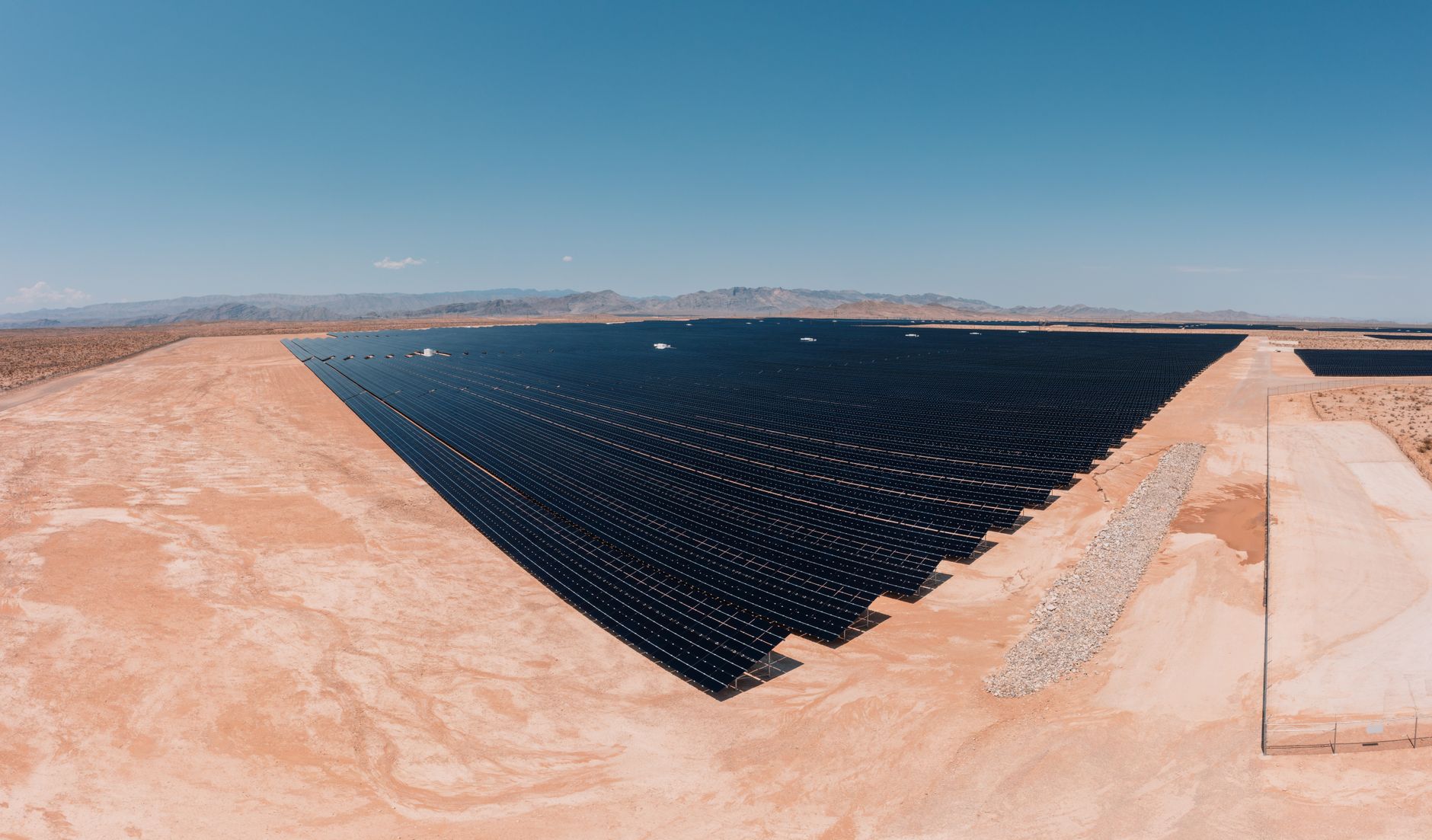
The exponential deployment of photovoltaic systems in regions such as Rajasthan has provided India with a distinct pathway toward carbon reduction goals. However, the direct integration of fluctuating solar power into municipal networks has highlighted major physical bottlenecks.
Balancing Load Profiles
According to regional engineers, municipal networks are structurally ill-equipped to absorb high supply surges during midday high-insolation hours, only to face immediate demand peaks during night hours when solar output falls to zero.
Addressing this discrepancy will require large capital commitments toward grid-level battery storage facilities. Until these storage hubs are active, central coal operations must remain synchronized as backup resources, which limits the short-term emissions benefits.